
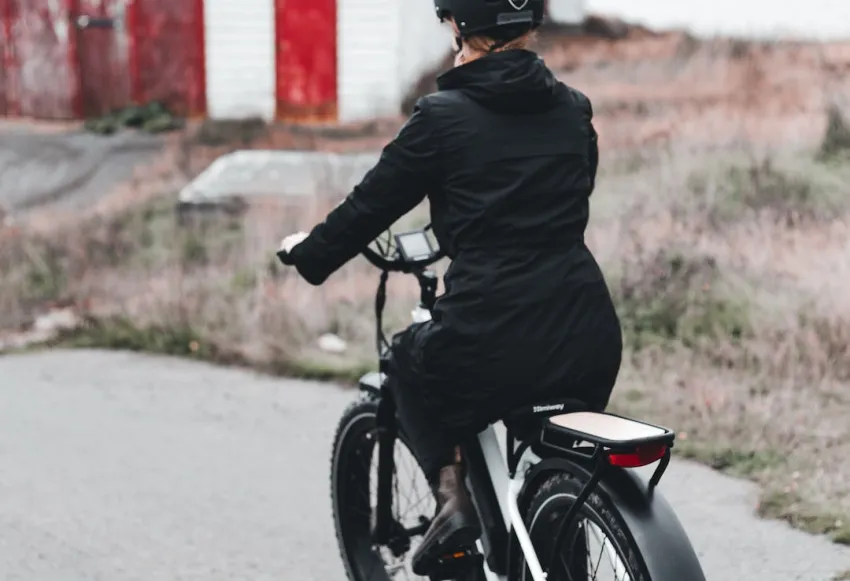
Motorcycling is a thrilling and exhilarating experience, but it also comes with inherent risks. Safety should always be a top priority for every motorcyclist. Whether you're a beginner or an experienced rider, it's essential to be aware of the potential dangers and take proactive measures to minimize them. In this article, we will discuss ten essential safety tips that every motorcyclist must know. By following these guidelines, you can enhance your safety on the road and make your riding experience even more enjoyable.
1. Wear a Helmet: Your Lifesaver
Wearing a helmet is the single most effective way to protect yourself in the event of a motorcycle accident. It provides crucial protection to your head and brain, reducing the risk of serious injury or even death. When choosing a helmet, opt for one that meets the safety standards set by your country or region. Look for features such as a sturdy outer shell, impact-absorbing liner, comfortable padding, and a secure chin strap. Remember, wearing a helmet isn't just a legal requirement in many places; it's a lifesaver.
2. Invest in Protective Gear: Dress for Safety
In addition to a helmet, investing in proper protective gear is essential for any motorcyclist. Riding without appropriate gear leaves you vulnerable to injuries in case of an accident. Here are some essential protective gear items you should consider:
-
Jacket: A motorcycle jacket made of durable materials like leather or abrasion-resistant fabric will protect your upper body from injuries. Look for jackets with built-in armor in key areas like the shoulders, elbows, and spine.
-
Pants: Opt for riding pants that offer abrasion resistance and protection in vital areas such as the hips and knees. Consider choosing pants with integrated armor for added safety.
-
Gloves: Riding gloves not only provide better grip and control but also protect your hands in the event of a fall. Look for gloves with reinforced palms and knuckle protection.
-
Boots: Sturdy and protective boots can prevent foot and ankle injuries. Choose boots made from strong materials with non-slip soles and ankle support.
Investing in high-quality protective gear may seem expensive, but it is an investment in your safety and well-being. Remember, it's better to be safe than sorry.
3. Get Proper Training and Licensing
Before hitting the road, ensure that you have the necessary training and licensing. Taking a motorcycle safety course can enhance your riding skills and make you a more confident and competent rider. These courses cover essential topics such as motorcycle control, emergency maneuvers, and defensive riding techniques. Additionally, obtaining a valid motorcycle license is not only a legal requirement but also ensures that you have the knowledge and skills needed to safely operate a motorcycle on public roads.
4. Be Visible: Use Lights and Reflective Gear
Visibility is key to safety on the road, especially for motorcyclists who are more prone to being overlooked by other drivers. Enhance your visibility by using your motorcycle's headlights, even during the daytime. Consider adding auxiliary lights to make yourself even more noticeable. In addition to lights, wearing reflective gear, such as a reflective vest or strips on your helmet and jacket, can significantly improve your visibility, especially at night.
5. Ride Defensively: Be Prepared for the Unexpected
Motorcyclists are often at a higher risk of accidents due to the lack of physical protection that a car offers. To mitigate this risk, it's crucial to adopt a defensive riding approach. This means remaining constantly vigilant, anticipating potential hazards, and being prepared for the unexpected. Some defensive riding techniques include:
-
Maintain a Safe Following Distance: Leave enough space between you and the vehicle in front to allow for sudden stops or evasive maneuvers.
-
Constantly Scan the Road: Keep your eyes on the road ahead and scan for potential hazards, such as debris, potholes, or aggressive drivers.
-
Watch for Turning Vehicles: Be cautious of vehicles that might unexpectedly turn in front of you. Assume that drivers may not see you and be prepared to react accordingly.
-
Use Mirrors Frequently: Regularly check your mirrors to stay aware of your surroundings, including vehicles in your blind spots.
By adopting defensive riding techniques, you can minimize the chances of accidents and ride safer on the road.
6. Know and Observe Traffic Laws
Motorcyclists, just like any other road users, need to know and obey traffic laws. Familiarize yourself with the rules and regulations specific to motortiz cycling live commentary in your region. This includes speed limits, lane splitting laws (if applicable), and signaling requirements. Observing traffic laws not only helps you avoid legal troubles but also contributes to overall road safety by promoting order and predictability.
7. Practice Good Motorcycle Maintenance
Regular maintenance of your motorcycle is vital for both performance and safety. A well-maintained motorcycle is less likely to experience mechanical failures that could lead to accidents. Here are some maintenance tasks you should prioritize:
-
Check Tires: Regularly inspect your tires for proper inflation, tread depth, and signs of wear. Worn-out or improperly inflated tires can compromise handling and traction.
-
Brake Inspection: Ensure that your brakes are functioning correctly and have sufficient pad thickness. Faulty brakes can have disastrous consequences while riding.
-
Lights and Signals: Regularly check that all your lights, including headlights, taillights, and turn signals, are working correctly. Faulty lights can make it challenging for other motorists to see your intentions.
-
Fluid Levels: Regularly check and top up fluids such as engine oil, coolant, and brake fluid. Insufficient levels of these fluids can lead to engine damage or brake failure.
By practicing good motorcycle maintenance, you can identify and address potential issues before they become major problems on the road.
8. Be Mindful of Road Conditions
Road conditions play a significant role in motorcycle safety. Being aware of the road conditions and adjusting your riding accordingly can prevent accidents. Here are some factors to consider:
-
Weather: Be cautious when riding in adverse weather conditions such as rain, snow, or strong winds. Adjust your speed and increase your following distance to compensate for reduced traction.
-
Road Surfaces: Be cautious of different road surfaces, such as gravel, wet pavement, or potholes. These surfaces can reduce traction and increase the risk of accidents.
-
Intersections: Exercise caution when approaching intersections, as they are common sites for accidents. Slow down and watch for vehicles that may not yield the right of way.
Being mindful of road conditions and adapting your riding accordingly can help you navigate safely through various scenarios.
9. Avoid Riding Under the Influence
Riding a motorcycle requires focus, coordination, and quick reflexes. Riding under the influence of alcohol, drugs, or medications that impair your abilities is extremely dangerous, significantly increasing the risk of accidents. Never ride your motorcycle if you're under the influence. If you plan to drink or take medications that may affect your abilities, find an alternative mode of transportation or arrange for a designated driver.
10. Stay Educated and Continuously Improve
Safety is a lifelong commitment, and there's always room to learn and improve as a motorcyclist. Stay educated by reading up on motorcycling safety tips, attending refresher courses, and staying informed about any changes in traffic laws. Connect with other riders and share experiences and knowledge. By continuously striving to improve your skills and knowledge, you can become a safer and more proficient motorcyclist.
Motorcycling is an exhilarating activity, but it comes with risks. By following these ten essential safety tips, you can mitigate those risks and enhance your safety on the road. Always wear a helmet and invest in proper protective gear. Get the necessary training and licensing, be visible to other drivers, and adopt a defensive riding approach. Know and observe traffic laws, practice good motorcycle maintenance, and be mindful of road conditions. Avoid riding under the influence, and continuously seek to improve your knowledge and skills as a motorcyclist. By prioritizing safety, you can enjoy the freedom and joy of motorcycling to the fullest.