

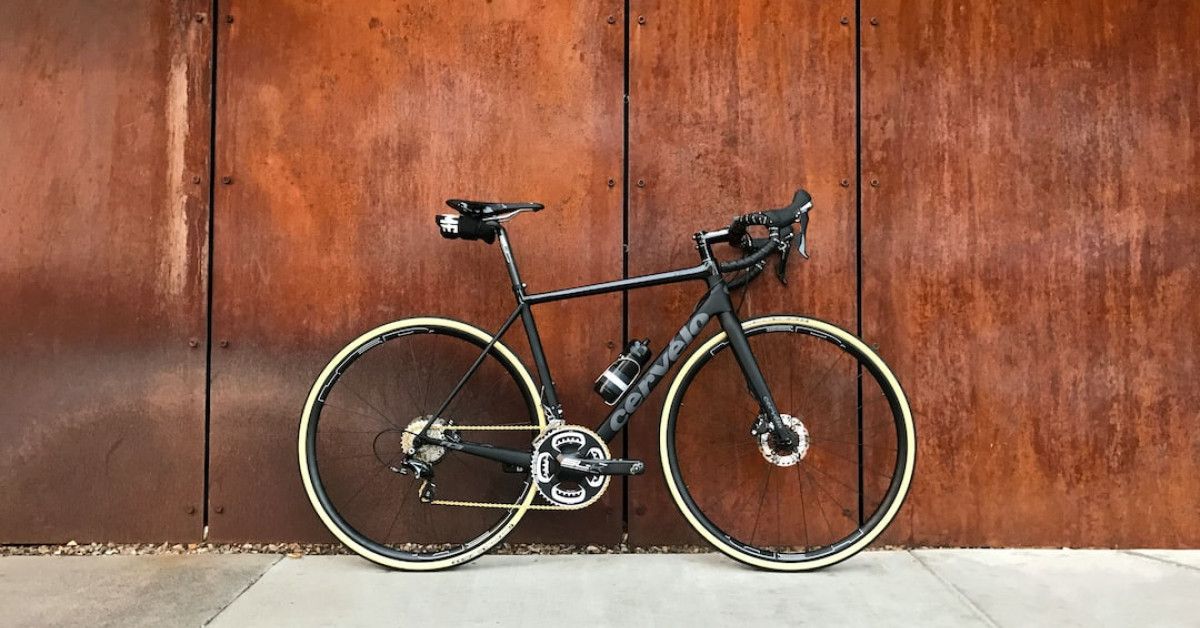
Are you a cycling enthusiast looking to improve your performance on the road or trail? Whether you're a beginner or an experienced rider, there are always ways to enhance your cycling skills and take them to the next level. In this article, we will explore 10 essential training tips that will help you optimize your training, increase your endurance, and improve your overall cycling performance.
1. Set Clear Goals
Setting clear goals is essential for any cyclist looking to improve their performance. When setting goals, it's important to be specific, measurable, achievable, relevant, and time-bound (SMART goals). For example, instead of setting a general goal like "improve my cycling endurance," set a more specific goal like "cycle 50 miles without stopping within two months." By setting clear goals, you can track your progress and stay motivated throughout your training.
2. Create a Training Plan
Once you've established your goals, it's time to create a training plan that will help you achieve them. A well-rounded training plan should include a mix of endurance rides, interval training, strength training, and rest days. Endurance rides help build your cardiovascular fitness and endurance, while interval training improves your speed and power. Strength training, both on and off the bike, helps build muscle and improve overall cycling performance. Incorporating rest days into your training plan is equally important as they allow your muscles to recover and prevent overtraining.
3. Focus on Proper Nutrition
Proper nutrition plays a vital role in optimizing your cycling performance. Fueling your body with the right nutrients before, during, and after your rides can help improve your endurance, reduce fatigue, and aid in muscle recovery. Aim to consume a well-balanced diet that includes carbohydrates for energy, protein for muscle repair, and healthy fats for sustained energy. Hydration is also crucial, so make sure to drink plenty of water before, during, and after your rides.
4. Incorporate Cross-Training
While cycling is undoubtedly the best way to train for cycling, incorporating cross-training activities into your routine can benefit your overall fitness and prevent overuse injuries. Activities such as swimming, running, yoga, or strength training can help strengthen different muscle groups, improve flexibility, and enhance your overall performance on the bike.
5. Get Proper Bike Fit
Having a properly fitted bike is crucial for both comfort and performance. A poor bike fit can lead to discomfort, pain, and even injury. If you're serious about cycling, consider getting a professional bike fit. A professional bike fit will ensure that your bike is adjusted to your body's specific measurements, allowing for optimal power transfer and reducing the risk of injuries caused by poor mechanics.
6. Train in Different Terrain and Conditions
Variety is key when it comes to training for cycling. While it's important to have specific training routes and courses, don't shy away from exploring different terrains and riding in various weather conditions. Training in different terrains, such as hills, flats, and off-road trails, challenges your muscles in different ways and improves your overall fitness. Additionally, riding in adverse weather conditions can build mental toughness and prepare you for unpredictable race or event conditions.
7. Track and Analyze Your Progress
Tracking your progress is essential to monitor your improvements and make necessary adjustments to your training plan. Nowadays, several cycling apps and devices can help you track your rides, monitor your speed, distance, heart rate, and more. Analyzing your data can provide valuable insights into your performance and help you identify areas that need more attention or improvement.
8. Join a Cycling Club or Find a Training Partner
Cycling with others can be highly motivating and beneficial for your training. Joining a local cycling club or finding a training partner can provide you with the opportunity to ride with like-minded individuals, learn from more experienced cyclists, and push yourself to new limits. Group rides also simulate race-like conditions, helping you improve your cycling skills and tactics.
9. Rest and Recovery
Rest and recovery are just as important as training when it comes to improving your cycling performance. Overtraining can lead to fatigue, decreased performance, and increased risk of injuries. Therefore, make sure to include regular rest days in your training plan. Additionally, prioritize sleep and give your body enough time to recover between intense training sessions.
10. Have Fun and Enjoy the Ride
Last but certainly not least, remember to have fun and enjoy the ride. Cycling is not only a great form of exercise but also a way to explore new places, relieve stress, and connect with nature. Set aside some rides where you can just enjoy the scenery and focus on the sheer joy of cycling. Keeping a positive mindset and enjoying the process will ultimately lead to better performance and long-term success.
In conclusion, improving your cycling performance requires a combination of training, proper nutrition, rest, and enjoying the process. By setting clear goals, creating a training plan, focusing on nutrition, incorporating cross-training, getting a proper bike fit, training in different terrains, tracking your progress, joining a cycling club or finding a training partner, prioritizing rest and recovery, and having fun, you can elevate your cycling skills and take your performance to the next level. So hop on your bike, follow these essential training tips, and enjoy the journey of becoming a better cyclist.