
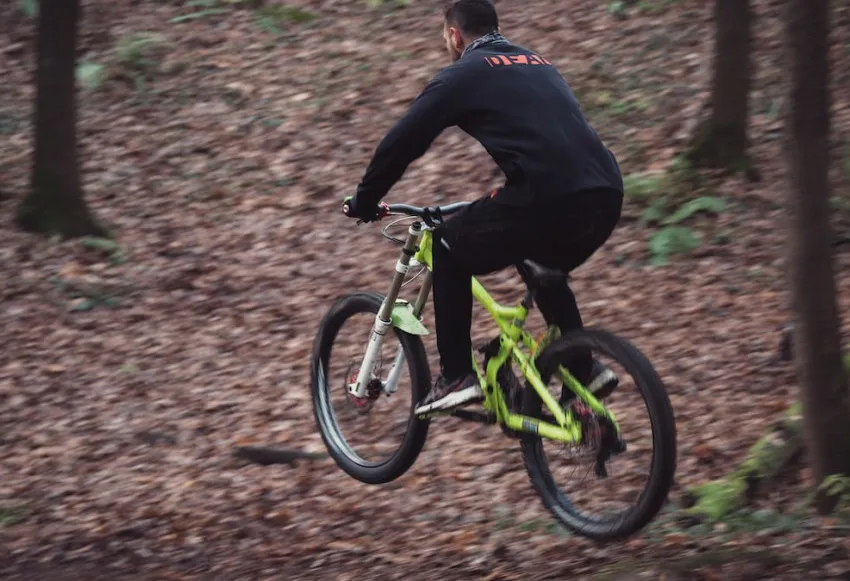
Are you a cycling enthusiast who also appreciates the beauty of nature? If so, you might be interested in learning about the fascinating stages in the cycle of a tree. Just like cycling, the life of a tree consists of various stages that contribute to its growth and development. In this article, we will explore these stages and understand how trees play an essential role in our environment.
The Importance of Trees in the Cycling World
Before delving into the stages of a tree's life cycle, it's crucial to understand the significance of trees in the world of cycling. Trees provide numerous benefits to cyclists, making them an integral part of our environment. Some of the ways in which trees impact cycling include:
- Shade and Shelter: Trees offer natural shade and shelter along cycling paths, providing relief from the scorching sun or unexpected rain showers.
- Air Purification: Trees play a crucial role in purifying the air by absorbing carbon dioxide and releasing oxygen, ensuring that cyclists can breathe in clean and fresh air while on their rides.
- Protecting Biodiversity: Trees create habitats for various bird and animal species, contributing to the overall biodiversity of the surroundings. These diverse ecosystems enhance the cycling experience, allowing cyclists to enjoy the beauty of nature.
- Natural Trail Barriers: Trees act as natural barriers along trails, guiding cyclists and ensuring their safety. They also help prevent soil erosion, keeping the trails intact and well-maintained.
- Scenic Beauty: Cycling among lush green trees and vibrant foliage can provide a visually appealing and refreshing experience, enhancing the overall enjoyment of a ride.
The Stages of a Tree's Life Cycle
Understanding the various stages in the life of a tree can give us a deeper appreciation for these natural wonders. Let's explore the ten fascinating stages of a tree's cycle:
1. Seed Germination
Every tree begins its life as a tiny seed. Seeds contain the genetic material needed for a tree to grow into its full potential. The cycle commences when the conditions are favorable for germination. The seed absorbs water, which activates enzymes and starts metabolic processes, leading to the sprouting of a young plant.
2. Seedling Development
Once the seed has germinated, it enters the seedling stage. During this phase, the seedling develops its first set of leaves known as cotyledons, which provide essential nutrients to kick-start growth. The tiny plant begins to produce its own food through photosynthesis and establishes its root system in the soil.
3. Sapling Stage
As the seedling grows, it becomes a sapling. At this stage, the tree develops a stronger root system and starts to produce branches and secondary shoots. The sapling stage is crucial for the tree's growth, as it establishes a strong foundation for future development.
4. Juvenile Stage
The juvenile stage marks the transition from a sapling to a young tree. During this period, the tree starts to develop its canopy, producing more foliage and branches. It continues to grow taller and thicker, gradually reaching a size where it can reproduce.
5. Reproductive Phase
Once the tree has reached maturity, it enters the reproductive phase. This phase is characterized by the production of flowers or cones, depending on the tree species. The flowers or cones carry the necessary genetic material for the tree's reproduction.
6. Pollination
During the pollination stage, pollen from the male flowers or cones is transferred to the female flowers or cones. This transfer of pollen can occur through wind, insects, or other animals. Successful pollination leads to the fertilization of the female flowers or cones and the formation of seeds.
7. Seed Development
After fertilization, the seeds begin to develop within the female flowers or cones. The seeds contain the genetic material necessary for a new tree to grow. They undergo a process called maturation, during which they acquire the ability to withstand unfavorable conditions and remain dormant until they find suitable conditions for germination.
8. Seed Dispersal
Once the seeds have matured, they need to be dispersed for new trees to grow in different locations. Trees have various mechanisms for dispersing their seeds, including wind, water, animals, or even self-dispersal. This stage ensures the survival and expansion of the tree population.
9. Germination
When the dispersed seeds find themselves in a suitable environment, they germinate, starting a new cycle of tree growth. Germination involves the resumption of metabolic processes within the seed, resulting in the emergence of a new seedling.
10. Maturity and Longevity
The final stage in a tree's life cycle is when it reaches maturity. At this point, the tree has established its full size and shape, and it is capable of reproducing. While some trees may have a shorter lifespan, others can live for hundreds or even thousands of years, providing habitat, shade, and beauty to the environment.
The Relationship between Trees and Cycling
Understanding the life cycle of trees can deepen our connection to nature and the environment we cycle in. Trees not only enhance the aesthetic appeal of cycling routes but also contribute to the overall well-being of cyclists and the planet. Cyclists benefit from the shade, shelter, and pure air provided by trees, making their rides more enjoyable and comfortable.
Trees also contribute to the conservation of ecosystems, protecting biodiversity and creating natural barriers along trails. By appreciating and preserving trees, cyclists can ensure the growth and sustainability of their favorite cycling routes for future generations to enjoy.
Conclusion
As cycling enthusiasts, it's essential to recognize the impact of trees on our environment and the cycling experience. Understanding the stages in the life cycle of a tree provides a deeper appreciation for these natural wonders. From seed germination to maturity and longevity, trees go through intricate stages that contribute to their growth and reproduction.
By incorporating trees into our cycling routes, we can benefit from their shade, shelter, and scenic beauty. Trees also play a crucial role in air purification, protecting biodiversity, and maintaining the integrity of cycling trails. As we cycle through nature, let's remember to value and respect the trees that enhance our favorite outdoor activity.