
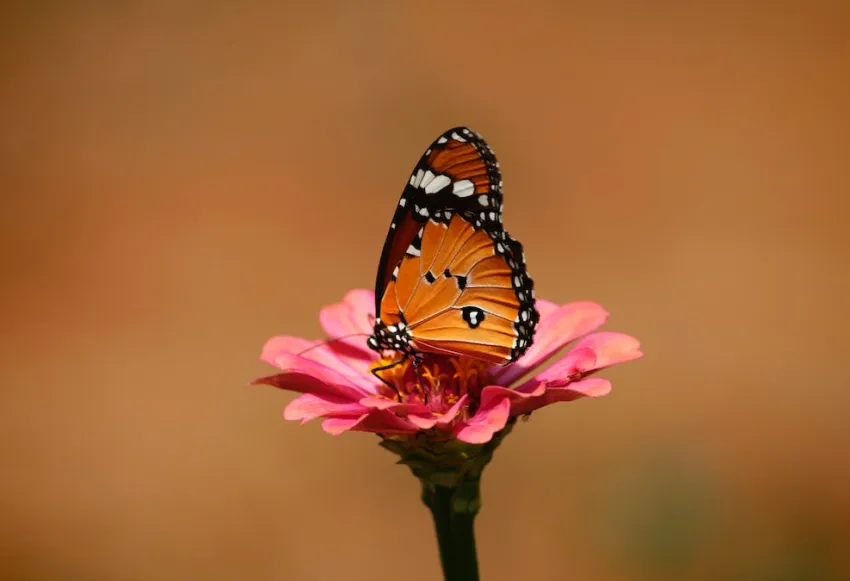
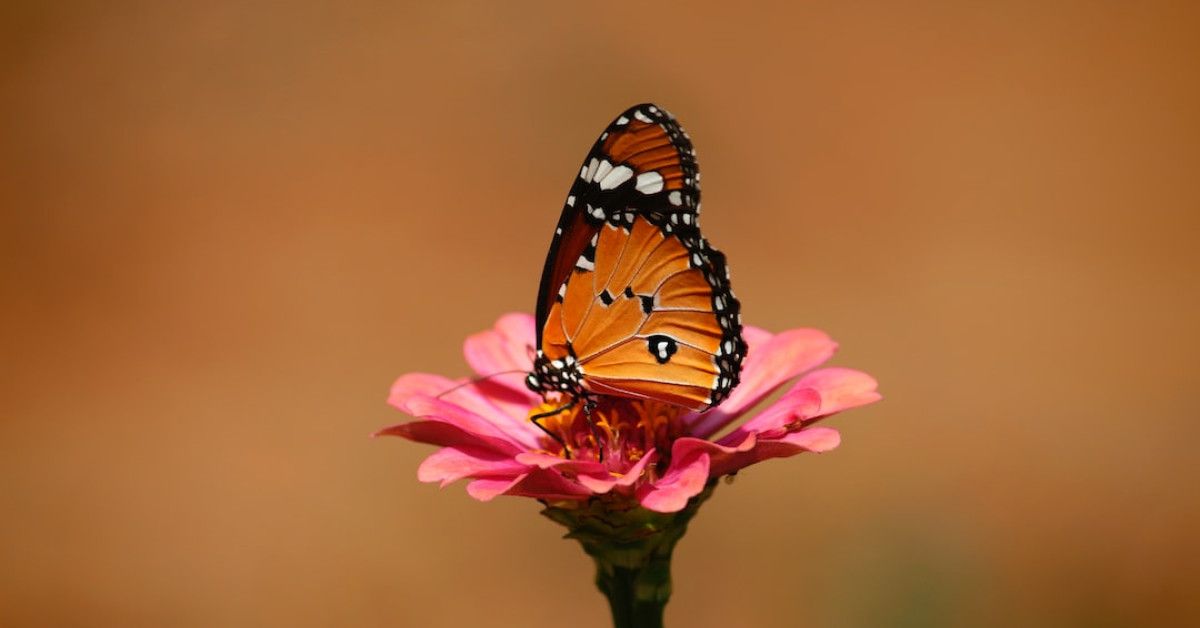
From a tiny and delicate egg to a beautiful and mesmerizing butterfly, the life cycle of the Painted Lady butterfly is truly a marvelous spectacle of nature. This incredible transformation takes place in a series of distinct stages, each with its own unique characteristics and adaptations. In this article, we will explore the ten fascinating stages of the Painted Lady butterfly's life cycle and marvel at the journey of transformation it undergoes. So, let's dive into the enchanting world of these captivating creatures.
1. Egg Stage
The life cycle of the Painted Lady butterfly begins with the egg stage. The female butterfly lays her eggs on the leaves of host plants, which serve as a vital food source for the developing larvae. The eggs are usually small, round, and have a greenish color. They are carefully attached to the underside of leaves, providing them protection from predators. Each female butterfly can lay hundreds of eggs during her lifespan.
Once the eggs are laid, they undergo a period of dormancy before hatching. This dormancy allows the eggs to survive harsh environmental conditions and ensures the survival of the species. The length of this dormancy period can vary depending on factors such as temperature and humidity.
2. Larval Stage
After the eggs hatch, the Painted Lady butterfly enters the larval stage. The larvae, commonly known as caterpillars, are voracious eaters and feed on the leaves of the host plants. This stage is crucial for the growth and development of the butterfly.
The caterpillars go through several instars, which are periods between molts. During each instar, the caterpillar sheds its old skin and replaces it with a new one, allowing for growth. The growth is rapid, and the caterpillar may increase its body size by up to 30 times during this stage.
The caterpillar's body is segmented and covered in tiny hairs. These hairs can be brightly colored or camouflaged depending on the species and serve as a form of defense against predators. Some caterpillars even have spines or other structures that release toxins, making them less palatable.
3. Pupa Stage
As the caterpillar reaches its final instar, it undergoes a remarkable transformation known as pupation. During this stage, the caterpillar attaches itself to a leaf or a twig and spins a silk pad to anchor itself. It then sheds its final skin and reveals the chrysalis, which is the protective outer covering of the pupa.
Inside the chrysalis, the caterpillar's body undergoes a complete reorganization. Differentiation of tissues and organs takes place, leading to the formation of the adult butterfly. This process is orchestrated by complex hormonal changes and controlled cell growth.
The chrysalis is usually camouflaged, blending in with the surrounding environment. This helps protect the developing butterfly from predators and increases its chances of survival. The length of the pupa stage can vary depending on factors such as temperature and species, ranging from a few days to several weeks.
4. Metamorphosis
Metamorphosis is the magical process that occurs within the chrysalis. Inside, the caterpillar's tissues break down, and adult structures begin to form. This transformation from a crawling caterpillar to a beautiful butterfly is truly awe-inspiring.
During metamorphosis, the wings of the butterfly develop and enlarge. Tiny structures called imaginal discs contain the genetic information necessary for wing formation. These discs grow and differentiate, eventually giving rise to the intricate patterns and colors of the adult butterfly's wings.
The transformation also involves the development of other adult structures, such as the proboscis, antennae, and legs. These structures take shape and become functional within the chrysalis, preparing the butterfly for its emergence into the world.
5. Eclosion
Eclosion is the process of breaking free from the chrysalis and emerging as an adult butterfly. This stage marks the culmination of the transformation journey and the beginning of the butterfly's life in its final form.
The emerging butterfly pumps fluid from its body into its wings, causing them to expand and become rigid. This process is vital for the wings to achieve their full size and functionality. Once the wings are fully expanded, the butterfly waits for them to dry and harden before taking its first flight.
Eclosion is a critical and vulnerable stage for the butterfly as it transitions from the safety of the chrysalis to the open world. Careful timing is essential, as emerging too early or too late can have detrimental consequences. The butterfly must also be mindful of potential predators and quickly find shelter and nectar sources to sustain itself.
6. Maturation
After emerging from the chrysalis, the newly formed butterfly enters the maturation stage. During this period, the butterfly's wings continue to harden and strengthen, enabling it to navigate its surroundings more effectively.
The butterfly will spend time basking in the sun, allowing its wings to fully dry and gain strength. It may also engage in flight exercises, testing its newfound ability to fly and maneuver. This process is crucial for the butterfly's survival, as it needs to be able to soar and evade predators in its natural habitat.
Maturation also involves the development of the butterfly's feeding habits. The adult Painted Lady butterfly primarily feeds on nectar and other sugary substances. It uses its proboscis, a long tube-like mouthpart, to probe flowers and extract nectar. This adaptation allows the butterfly to obtain a vital energy source for its daily activities.
7. Reproduction
Reproduction is a significant stage in the life cycle of the Painted Lady butterfly, as it ensures the continuation of the species. Once the butterfly has fully matured, it begins the search for a suitable mate.
Male butterflies will establish territory and engage in courtship behavior to attract females. This behavior can include elaborate flight displays, pheromone release, and visual cues. Once a suitable mate is found, the male and female will mate, with the male transferring sperm to the female.
After mating, the female butterfly will search for suitable host plants to lay her eggs. The cycle then begins anew, as the next generation of Painted Lady butterflies takes its first steps towards life.
8. Migration
One of the most fascinating aspects of the Painted Lady butterfly's life cycle is its migratory behavior. The Painted Lady butterfly is known for its remarkable long-distance migrations, covering vast distances in search of suitable breeding grounds and food sources.
These migrations are driven by a combination of factors, including the availability of resources, temperature, and genetic predisposition. The Painted Lady butterfly has been recorded to travel thousands of miles during a single generation, crossing continents and braving harsh weather conditions.
The ability to navigate such long distances is still not fully understood. However, it is believed that the butterfly uses a combination of visual cues, celestial navigation, and possibly even geomagnetic fields to navigate its way.
9. Lifespan
The lifespan of the Painted Lady butterfly is relatively short compared to other animals. The average lifespan of an adult butterfly ranges from a few weeks to a couple of months, depending on various factors such as temperature and availability of food sources.
During this time, the butterfly's main focus is on reproduction and passing on its genetic material to the next generation. The male butterfly may engage in multiple matings, while the female dedicates her energy to finding suitable host plants and laying eggs.
Despite their short lifespan, Painted Lady butterflies play a crucial role in pollination and ecosystem dynamics. They contribute to the diversity and health of plant populations, making them an essential element of the natural world.
10. Conservation
Conserving the Painted Lady butterfly and its habitat is vital to ensure the survival of this enchanting species. Habitat loss, climate change, and the use of pesticides pose significant threats to the butterfly's population.
To protect the Painted Lady butterfly, it is crucial to preserve and restore its natural habitats. This includes safeguarding the host plants that serve as food sources for the larvae and nectar sources for the adults. Planting native flowers and creating butterfly gardens can provide valuable resources for these beautiful creatures.
Furthermore, reducing the use of harmful pesticides and opting for environmentally friendly alternatives can help prevent the decline of the Painted Lady butterfly and other pollinators. Educating communities about the importance of these butterflies and their role in ecosystems is another essential aspect of conservation efforts.
In conclusion, the life cycle of the Painted Lady butterfly is a remarkable journey of transformation. From the simple yet intricate egg to the vibrant and graceful adult butterfly, each stage brings its own marvels and adaptations. By understanding and appreciating this life cycle, we can gain a deeper appreciation for the delicate balance of nature and the significance of every living creature. The enchanting world of the Painted Lady butterfly invites us to embrace the beauty and wonder of the natural world around us.