
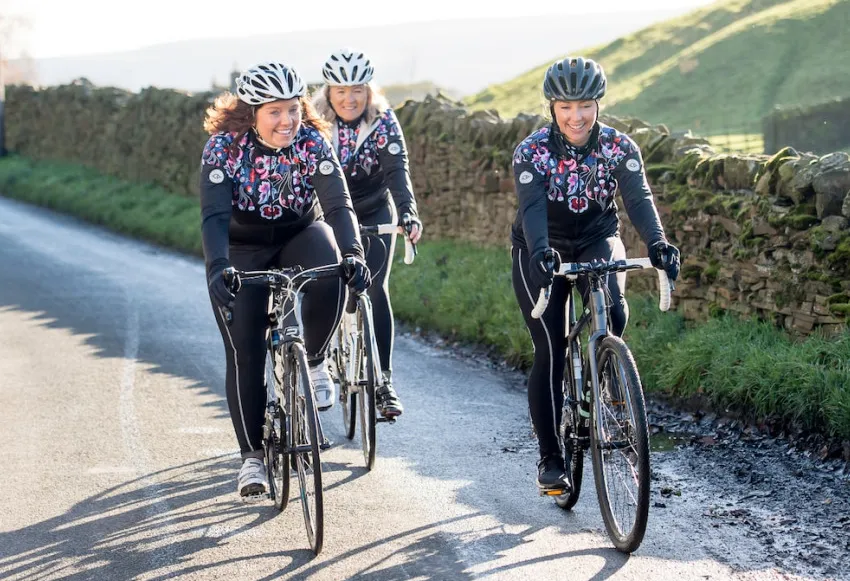
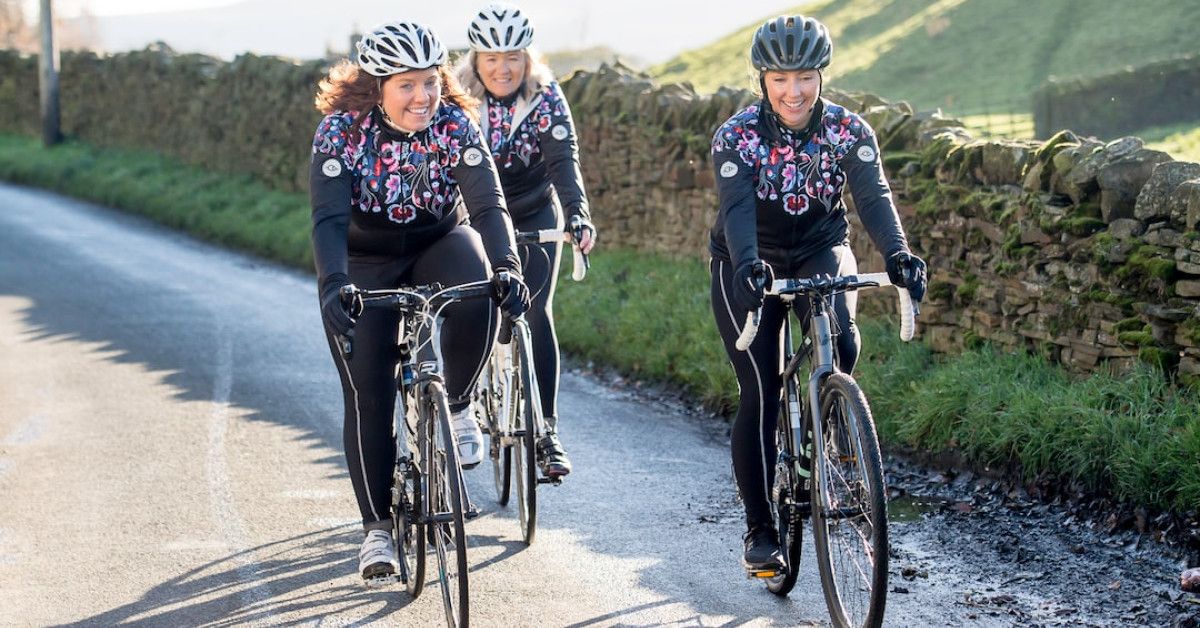
Thermal cycling, also known as cold weather cycling, can present unique challenges for cyclists. The cold temperatures, wind chill, and icy road conditions can make it difficult to maintain optimal performance and stay safe on the bike. In this article, we will discuss ten tips for improving your thermal cycling performance and enjoying your rides even in cold weather. Whether you are a seasoned cyclist or a beginner, these tips will help you stay comfortable, stay motivated, and make the most out of your cold weather rides.
1. Dress in Layers
When it comes to thermal cycling, dressing appropriately is key. Layering your clothing allows you to regulate your body temperature more effectively. Start with a moisture-wicking base layer that will keep sweat away from your skin. Follow this with a thermal mid-layer to provide insulation and retain heat. Finally, top it off with a windproof and waterproof outer layer to protect against the elements. This layering system allows you to adjust your clothing as needed throughout your ride, ensuring you stay warm without overheating.
2. Protect Your Extremities
Our extremities, such as hands, feet, and head, are particularly vulnerable to the cold. Invest in quality thermal gloves and socks to keep your hands and feet warm. Consider using shoe covers to provide extra insulation and protect against wind chill. Don't forget to wear a thermal beanie or headband under your helmet to keep your head and ears warm. By keeping your extremities protected, you'll be able to maintain better control over your bike and overall comfort during your cold weather rides.
3. Use the Right Tires
Choosing the right tires for cold weather cycling is crucial for maintaining grip and stability on icy roads. Look for tires with good traction, designed specifically for winter riding. Opt for wider tires with lower pressure to increase the contact area with the road and improve traction. Additionally, consider studded tires for extreme icy conditions. These specialized tires have metal studs embedded in the tread, providing excellent traction on ice. By using the right tires, you'll enhance your safety and confidence while riding in cold weather.
4. Adjust Your Bike Setup
Cold weather can affect the performance of your bike. Make sure to adjust your bike setup to accommodate for the winter conditions. Start by lowering your tire pressure slightly to increase traction. Check your brakes to ensure they are working properly and have enough stopping power. Lubricate your chain with a low-temperature grease to prevent it from freezing up. Additionally, consider installing fenders to protect yourself and your bike from wet and slushy road conditions. These small adjustments will make a big difference in your thermal cycling performance.
5. Warm Up Properly
Before heading out for a cold weather ride, it's important to properly warm up your body. Begin with dynamic stretches to loosen up your muscles and increase blood flow. Perform exercises that activate the muscles you'll be using during your ride, such as squats or lunges. Gradually increase the intensity of your warm-up to raise your core body temperature. By warming up properly, you'll reduce the risk of injury and optimize your performance during your ride.
6. Stay Hydrated
Staying hydrated is just as important during cold weather rides as it is during hot weather rides. Although you may not feel as thirsty in cold temperatures, your body still loses fluids through sweat and respiration. Drink water regularly throughout your ride, even if you don't feel the urge to do so. Keep your water bottle insulated to prevent it from freezing. Opt for warm beverages such as tea or coffee to keep yourself warm from the inside out. By staying hydrated, you'll maintain your energy levels and overall performance on the bike.
7. Plan Your Routes Carefully
When riding in cold weather, it's essential to plan your routes carefully. Avoid roads that are likely to be icy or have limited visibility. Stick to well-maintained roads that are less likely to be affected by ice or snow. Consider choosing routes with less shade as they tend to have better road conditions. Familiarize yourself with areas that are prone to freezing, such as bridges or shaded areas. By planning your routes carefully, you'll minimize the risk of accidents and have a more enjoyable ride.
8. Don't Forget Your Nutrition
Proper nutrition is essential for optimal performance during your thermal cycling rides. Fuel your body with a balanced meal or snack before heading out. Include carbohydrates for energy, protein for muscle repair, and healthy fats for sustained energy. During longer rides, consume easily digestible snacks such as energy bars or gels to keep your energy levels up. Despite the cold weather, make sure to stay fueled and replenish lost nutrients. By taking care of your nutrition, you'll perform better and recover faster after your rides.
9. Stay Visible
Visibility is crucial when cycling in cold weather, especially when daylight hours are shorter. Wear reflective clothing or accessories to make yourself more visible to motorists. Use front and rear lights, even during the day, to increase your visibility and safety. Choose lights with a high lumen output to ensure they are bright enough to be noticed. By staying visible, you'll reduce the risk of accidents and make yourself more confident on the roads.
10. Listen to Your Body
Finally, always listen to your body when thermal cycling. Cold weather puts additional stress on your body, so be mindful of any signs of discomfort or fatigue. Take regular breaks to give your body a chance to rest and recover. If you start feeling too cold or experience any pain or numbness, it's important to stop and seek shelter. Ignoring these signs can lead to frostbite or other serious conditions. Remember, your safety should always be your top priority.
Conclusion
Improving your thermal cycling performance requires a combination of the right gear, preparation, and mindset. By following these ten tips, you'll be well-equipped to tackle the challenges of cold weather cycling. Remember to dress in layers, protect your extremities, use the right tires, adjust your bike setup, warm up properly, stay hydrated, plan your routes carefully, fuel your body with proper nutrition, stay visible, and listen to your body. With these strategies in place, you can continue to enjoy the benefits of cycling while staying safe and comfortable in colder temperatures. Happy riding!