

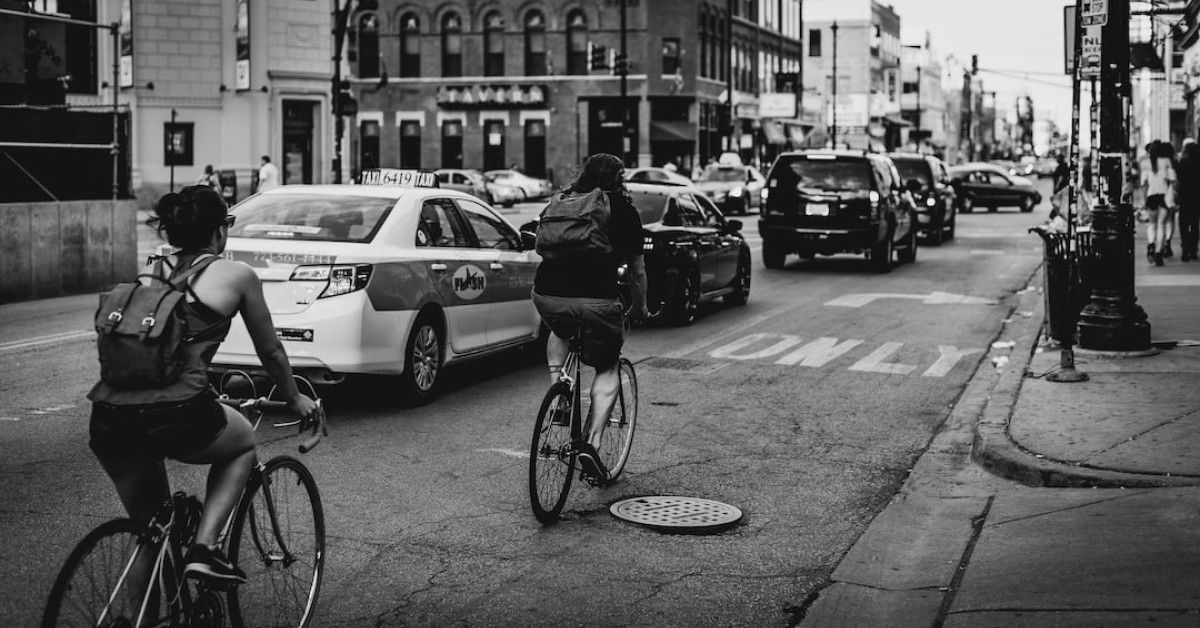
Are you a cyclist who has experienced a traumatic event while out on the road? Whether it's a near-miss with a vehicle, a serious accident, or even a close encounter with aggressive road users, these incidents can have a lasting impact on your mental and emotional well-being. It's important to acknowledge and address the trauma you've experienced in order to heal and regain your confidence as a cyclist. In this article, we will explore seven essential steps to help you break free from the trauma cycle and get back on your bike with renewed resilience and joy.
Understanding Trauma and Its Impact on Cyclists
Before we delve into the essential steps to break free from the trauma cycle, let's first understand what trauma is and how it can affect cyclists. Trauma is a psychological response to an event or situation that is perceived as threatening, overwhelming, or dangerous. For cyclists, this can include accidents, close calls, harassment, or any other experience that leaves them feeling scared, vulnerable, or anxious.
The impact of trauma on cyclists can vary from person to person. Some individuals may experience symptoms of post-traumatic stress disorder (PTSD), such as flashbacks, nightmares, or hypervigilance. Others may develop anxiety or a fear of cycling altogether. Trauma can also affect one's confidence, concentration, and overall enjoyment of cycling.
Step 1: Acknowledge Your Trauma
The first step towards healing and breaking free from the trauma cycle is to acknowledge that you have experienced trauma. Many cyclists try to brush off their experiences as "just part of cycling" or downplay the impact it has had on them. However, it is crucial to recognize the validity of your emotions and the impact the traumatic event has had on your well-being.
By acknowledging your trauma, you give yourself permission to address and heal from it. This self-awareness is the foundation for the steps that follow.
Step 2: Seek Support
Trauma can feel isolating, but you don't have to face it alone. Seeking support from friends, loved ones, or professional therapists can be instrumental in your healing journey. Talking about your experience with someone who understands and empathizes with your feelings can help validate your emotions and provide a sense of relief.
Additionally, consider joining support groups or online communities specifically for cyclists who have experienced trauma. These spaces allow you to connect with others who have had similar experiences, share coping strategies, and offer support to one another.
Step 3: Manage Your Physical and Emotional Well-being
Taking care of your physical and emotional well-being is crucial during the healing process. Trauma can manifest in physical symptoms such as muscle tension, headaches, or sleep disturbances. By engaging in activities that promote relaxation and self-care, you can help alleviate these symptoms.
Some ways to manage your well-being include:
- Regular exercise: Engaging in low-impact exercises like yoga or swimming can help release tension and promote relaxation.
- Deep breathing: Practice deep breathing exercises to calm your nervous system and reduce anxiety.
- Healthy lifestyle choices: Prioritize nutritious meals, adequate sleep, and reduce the intake of substances that can exacerbate anxiety, such as caffeine or alcohol.
- Mindfulness and meditation: Engage in mindfulness practices or meditation to cultivate present-moment awareness and reduce stress.
Remember, healing takes time, so be patient and gentle with yourself as you navigate this process.
Step 4: Gradual Exposure to Cycling
Getting back on your bike may seem like a daunting task after experiencing trauma, but gradual exposure to cycling can help rebuild your confidence and trust in the activity. Start with short and familiar routes, gradually increasing the distance or exploring new trails as you feel comfortable.
Consider these tips for a smoother transition back to cycling:
- Find a riding buddy: Cycling with a trusted friend or cycling group can provide a sense of safety and support during your rides.
- Set realistic goals: Start with small, achievable goals and celebrate each milestone you reach. This will help you stay motivated and build confidence.
- Practice relaxation techniques: Incorporate relaxation techniques such as deep breathing or visualization exercises before and during your rides to manage any anxiety or fear that may arise.
- Choose low-traffic routes: Opt for routes with less traffic initially to minimize external stressors and gradually increase the level of exposure as you regain confidence.
Remember, there is no rush to return to your previous level of cycling. Take your time, listen to your body, and adjust your pace accordingly.
Step 5: Challenge Negative Thoughts and Beliefs
Trauma can often lead to negative thoughts and beliefs about cycling or one's abilities as a cyclist. These thoughts can be limiting and hinder your progress in breaking free from the trauma cycle. It's essential to challenge and reframe these negative thoughts to promote a healthier mindset.
Replace negative thoughts with positive affirmations, such as:
- "I am a strong and capable cyclist."
- "I trust myself and my skills on the bike."
- "I am reclaiming my love for cycling."
Practice self-compassion and remind yourself that it's normal to feel nervous or anxious after experiencing trauma. With time and perseverance, you can gradually rebuild your confidence and shift your mindset towards a more positive outlook.
Step 6: Implement Safety Measures
Feeling safe while cycling is crucial to breaking free from the trauma cycle. Implementing safety measures can help rebuild trust in the activity and reduce anxiety during rides.
Consider the following safety tips:
- Wear protective gear: Always wear a properly fitted helmet and other protective gear such as reflective clothing or lights, especially when cycling at dusk or night.
- Be visible: Use bike lights and wear bright, visible clothing to increase your visibility to other road users.
- Plan your routes: Opt for routes with designated bike lanes or low-traffic areas to minimize potential interactions with vehicles.
- Communicate and signal: Use hand signals and communicate your intentions to other road users to promote safer interactions.
By taking proactive steps to prioritize your safety, you can regain a sense of control and reduce the likelihood of future traumatic incidents.
Step 7: Celebrate Progress and Small Victories
Breaking free from the trauma cycle is a journey that requires resilience and patience. It's important to celebrate your progress and small victories along the way.
Keep a journal to document your achievements, whether it's completing a longer ride, conquering a challenging route, or simply feeling more at ease during your rides. Reflect on these accomplishments regularly to remind yourself of how far you've come and to reinforce your commitment to healing and growth.
Remember, progress is not always linear, and setbacks may occur. Be compassionate with yourself during difficult times and remember that it's okay to ask for support when needed.
Conclusion
Experiencing trauma as a cyclist can have a significant impact on your well-being and love for cycling. By following these seven essential steps, you can break free from the trauma cycle and regain your confidence on the bike. Remember to acknowledge your trauma, seek support, prioritize your physical and emotional well-being, gradually expose yourself to cycling, challenge negative thoughts, implement safety measures, and celebrate your progress along the way. With time, patience, and self-compassion, you can rebuild your resilience and embrace the joy of cycling once again.