

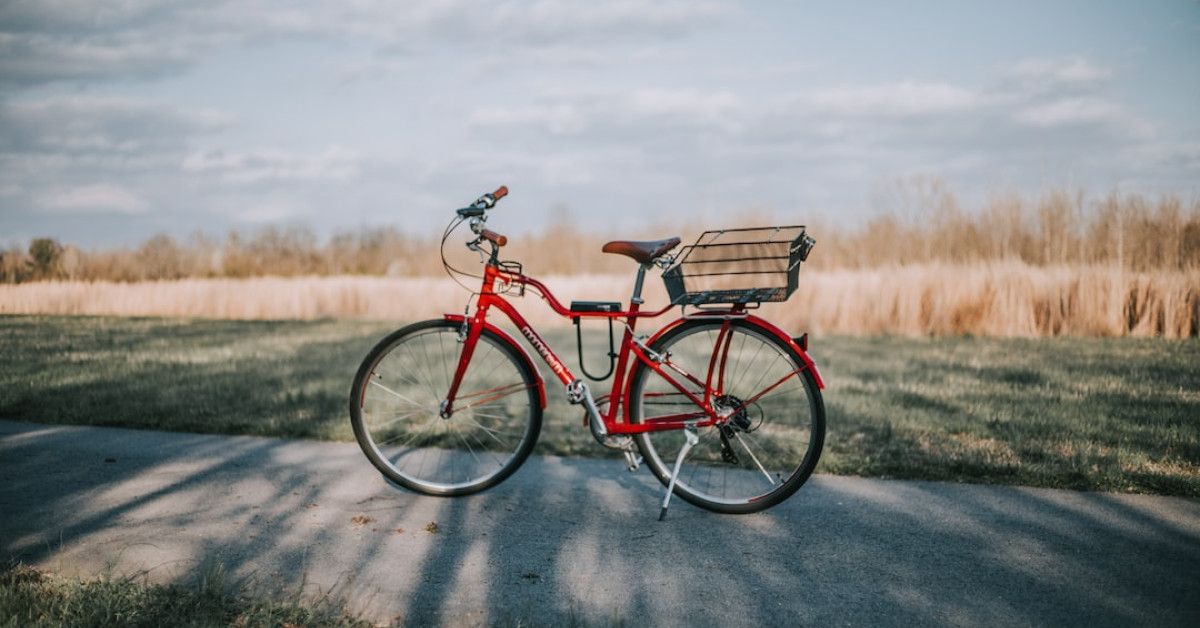
Cycling is not only a great form of exercise, but also an enjoyable way to explore your surroundings and connect with nature. Whether you are a seasoned cyclist or just starting out, finding the perfect glide cycle can make a significant difference in your cycling experience. In this article, we will discuss seven essential tips to help you find the ideal glide cycle that enhances your cycling experience.
1. Determine Your Riding Style
Before you start looking for a glide cycle, it is important to determine your riding style. Are you an adventurous mountain biker, a recreational cyclist, or a road racer? Knowing your riding style will help you choose the right type of glide cycle that suits your needs.
Mountain Biking
If you enjoy off-road trails, jumps, and rugged terrains, a mountain bike is the most suitable choice cycling gear for beginners you. Mountain bikes are specifically designed with suspension systems and wide, knobby tires to handle rough terrains effectively.
Recreational Cycling
Recreational cyclists typically ride on paved roads or smooth paths. Hybrid bikes are a popular choice for recreational cyclists, as they offer a comfortable riding position and the versatility to handle various terrains.
Road Racing
Road racers require lightweight and aerodynamic bikes that offer maximum efficiency and speed. Road bikes are designed with lightweight frames, dropped handlebars, and narrow tires to minimize drag and maximize responsiveness.
2. Consider the Frame Material
Glide cycles are made from various materials, each with its own set of advantages and disadvantages. The frame material plays a crucial role in determining the overall weight, durability, and comfort of the bike.
Aluminum
Aluminum frames are lightweight, stiff, and affordable. They provide a responsive ride and are suitable for most riders. However, they can be less comfortable than bikes with carbon or steel frames, as they transmit more road vibrations.
Carbon Fiber
Carbon fiber frames offer excellent strength-to-weight ratios, making them popular among professional cyclists. They absorb road vibrations effectively, resulting in a smoother ride. However, carbon fiber bikes tend to be more expensive than aluminum or steel bikes.
Steel
Steel frames are known for their durability and ability to absorb shocks. They provide a smooth and comfortable ride, making them ideal for long-distance touring or commuting. However, steel frames can be heavier compared to aluminum or carbon fiber frames.
3. Determine the Bike Size
Choosing the right size of glide cycle is crucial for your comfort and overall cycling experience. Riding a bike that is too small or too big can lead to discomfort, fatigue, and even potential injuries. To determine the right bike size, consider the following factors:
Inseam Measurement
Measure your inseam by standing barefoot with your legs shoulder-width apart. Use a tape measure to measure the distance from your crotch to the floor. This measurement will give you an idea of the appropriate frame size.
Reach and Stack
Reach and stack measurements determine the bike's geometry and how it fits your body. Reach refers to the horizontal distance from the bottom bracket to the top of the headtube, while stack refers to the vertical distance.
4. Suspension Options
Different types of glide cycles come with various suspension options to enhance the comfort and performance of your rides. Suspension systems help absorb shocks, improve traction, and provide a smoother riding experience.
Hardtail
Hardtail bikes have a suspension fork at the front, which helps absorb shocks from the front wheel. They are lighter, more efficient, and easier to maintain compared to full suspension bikes. Hardtail bikes are suitable for cross-country riding and less technical trails.
Full Suspension
Full suspension bikes feature suspension forks both at the front and a shock at the rear. This setup provides enhanced comfort and control, making them suitable for more aggressive riding styles, such as downhill or enduro.
Rigid
Rigid bikes do not have any suspension and rely solely on the tires to absorb shocks. They are lightweight, efficient, and require minimal maintenance. Rigid bikes are typically found in urban or commuter models.
5. Wheel Size
The wheel size of your glide cycle can impact its performance, maneuverability, and comfort. Different wheel sizes are suitable for different types of cycling and terrains.
26-inch Wheels
Previously the standard for mountain bikes, 26-inch wheels provide better maneuverability and responsiveness. They are ideal for technical trails and riders who prioritize agility over speed.
27.5-inch Wheels (650b)
Offering a balance between agility and rollover performance, 27.5-inch wheels are becoming increasingly popular among trail riders. They provide better traction, stability, and rollover compared to 26-inch wheels.
29-inch Wheels
29-inch wheels offer excellent rollover capabilities, making them suitable for riders who prioritize speed and efficiency. They provide better traction and stability, particularly on smoother terrains and for riders with a taller stature.
6. Consider Your Budget
Glide cycles come in a wide range of prices, so it is essential to determine your budget before you start your search. While it is tempting to go for the most expensive option, it is not always necessary for a great cycling experience. Set a realistic budget and consider the features that are important to you, such as frame material, components, and brand reputation.
7. Test Ride and Seek Professional Advice
Once you have narrowed down your options, it is crucial to test ride the glide cycles before making a final decision. This will allow you to assess the comfort, handling, and overall feel of the bike. During the test ride, pay attention to the bike's responsiveness, braking performance, and how well it fits your body.
Seeking professional advice from a local bike shop or experienced cyclists can also provide valuable insights and recommendations. They can help you find the perfect glide cycle that matches your riding style, preferences, and budget.
Conclusion
Finding the perfect glide cycle that enhances your cycling experience involves considering factors such as your riding style, frame material, bike size, suspension options, wheel size, budget, and seeking professional advice. With these seven essential tips in mind, you are well-equipped to choose the ideal glide cycle that will bring you joy, comfort, and improved performance during your cycling adventures. Happy cycling!