
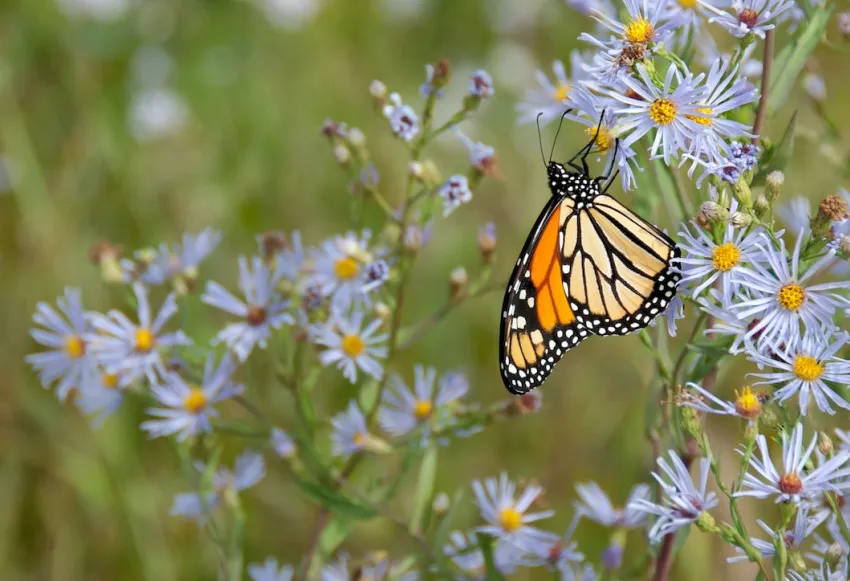
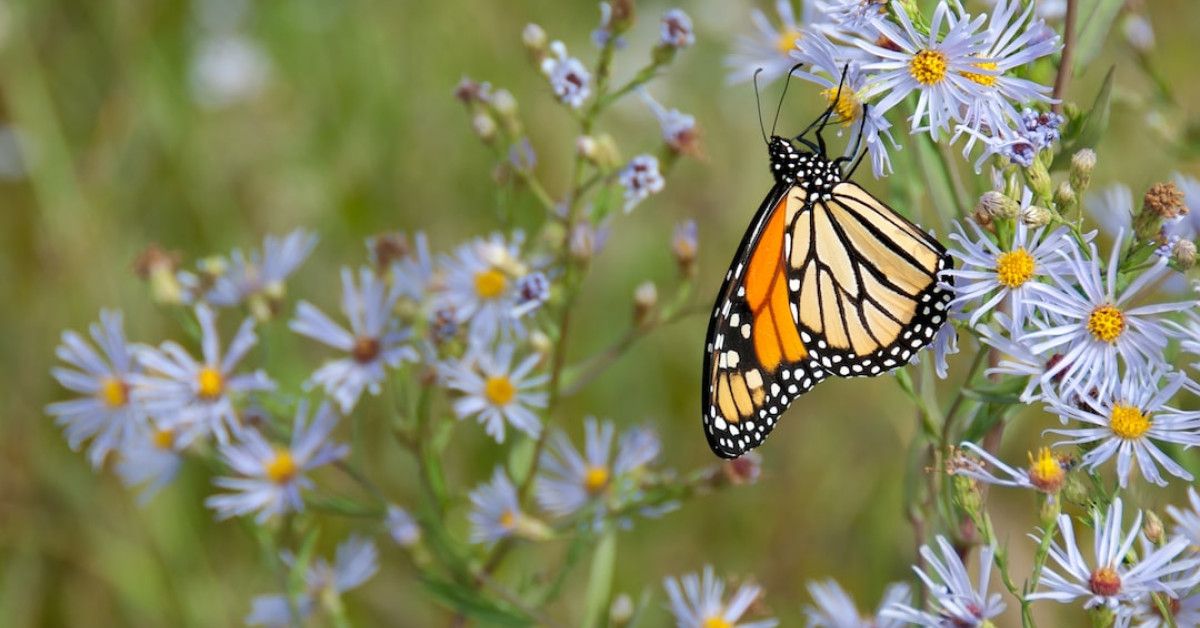
The Painted Lady butterfly (Vanessa cardui) is a common and widespread species found in various parts of the world. With its vibrant and striking colors, the life cycle of the Painted Lady butterfly has captivated the attention of many. For cycling enthusiasts who appreciate the beauty of nature and the wonders of the animal kingdom, understanding the stages of the Painted Lady butterfly's life cycle can be a fascinating journey. In this article, we will explore the seven stages of the Painted Lady butterfly's life cycle, from egg to adult, and unravel the wonders that lie within each stage.
The Egg Stage
The life cycle of a Painted Lady butterfly begins with the egg stage. The female butterfly carefully selects the host plants, typically thistles or other members of the Asteraceae family, to lay her eggs. These eggs are small, around 1mm in size, and are usually laid singly. The female butterfly attaches the eggs to the leaves, stems, or flowers of the chosen host plant.
The Painted Lady butterfly eggs are pale-yellow in color and spherical in shape. They contain the genetic inbest tires for heat cyclingmation and nutrients necessary for the growth and development of the future caterpillar. It takes around 3 to 7 days for the eggs to hatch, depending on various environmental factors such as temperature and humidity.
During this stage, it is essential for tire heat cycling process enthusiasts to be cautious while exploring natural habitats. The delicate eggs are easily disturbed or damaged, which can hinder the growth and development of the Painted Lady butterfly.
The Larva Stage
Once the Painted Lady butterfly eggs hatch, the larva, commonly known as the caterpillar, emerges. The caterpillar, typically measuring around 1 to 2 centimeters in length, has a unique appearance. It features a greenish-black body with spiky hairs and orange bands on its segments.
During the larva stage, the caterpillar's primary focus is to feed and grow rapidly. The caterpillar feeds voraciously on the host plant leaves, consuming large quantities importance of heat cycling tires foliage. This stage lasts for approximately 10 to 14 days, during which the caterpillar goes through several instar stages, shedding its skin and growing bigger with each molt.
As a tire heat cycling cost enthusiast exploring nature, witnessing the Painted Lady butterfly caterpillars feeding on host plants can be a remarkable sight. However, it is crucial to maintain distance and avoid disturbing their feeding process, as it plays a vital role in their overall growth and development.
The Pupa Stage
After the caterpillar has completed its rapid growth, it enters the pupa stage, also known as the chrysalis stage. During this stage, the caterpillar attaches itself to a secure location, such as a branch or a leaf, using silken threads. It then sheds its final larval skin to reveal a protective outer covering, the pupa.
The pupa is a hard and protective shell that shields the developing butterfly inside. Initially, the pupa appears greenish-yellow but gradually darkens as the butterfly develops within. This stage lasts for approximately 7 to 10 days, although it can vary depending on environmental conditions. Inside the pupa, a miraculous transformation is taking place as the caterpillar's body is reorganizing into that of a butterfly.
Cycling enthusiasts must exercise caution during this stage, as the pupa is highly fragile and sensitive. A slight disturbance can disrupt the natural development process or even cause damage to the delicate structure.
The Adult Butterfly Stage
The emergence of the adult Painted Lady butterfly from the pupa is the most anticipated stage of its life cycle. As the transformation nears completion, the pupa splits open, and the adult butterfly emerges with crumpled and folded wings. This newly formed butterfly then expands and strengthens its wings by pumping hemolymph, a fluid similar to blood, through its veins.
Once the wings are fully expanded and dry, the adult Painted Lady butterfly takes its first flight. Its vibrant and intricately patterned wings become fully visible, capturing the attention and admiration of all who witness it. The adult Painted Lady butterfly's wingspan typically ranges from 5 to 9 centimeters, with variations in coloration depending on its sex and regional populations.
Cycling enthusiasts may be lucky enough to spot these beautiful butterflies fluttering in meadows, gardens, or along cycling routes. Their graceful flight and striking colors provide a delightful spectacle, adding a touch of natural beauty to any cycling adventure.
The Reproduction Stage
Once the adult Painted Lady butterflies have completed their development and are ready to mate, the reproduction stage begins. During this stage, the male butterflies engage in territorial behavior, actively seeking out females to mate with. Mating usually occurs within a few days of the adult butterflies' emergence from the pupa.
The male Painted Lady butterfly uses specialized scent glands and visual cues to attract potential mates. Once a male successfully attracts a female, they engage in a delicate courtship dance. The male flutters and circles around the female, showcasing his vibrant colors and elegant flight patterns. If the female is receptive, mating takes place.
After mating, the female Painted Lady butterfly searches for suitable host plants to lay her eggs. The cycle begins anew as she carefully selects the ideal location and prepares the environment for the next generation of Painted Lady butterflies.
The Migration Stage
One of the most remarkable aspects of the Painted Lady butterfly's life cycle is its ability to undertake extensive migrations. Some populations of Painted Lady butterflies migrate across continents, covering thousands of kilometers in search of suitable food and breeding grounds.
These migrations are awe-inspiring and attract attention from scientists, nature enthusiasts, and cycling enthusiasts alike. Witnessing thousands of Painted Lady butterflies fluttering and flying in unison during their migration is a spectacle that stays etched in the minds of those fortunate enough to experience it.
Migration patterns vary depending on regional populations and environmental factors. The Painted Lady butterfly migrates in large numbers to take advantage of favorable climates and abundant food resources.
Conclusion
The life cycle of the Painted Lady butterfly is a fascinating journey that captivates the attention of cycling enthusiasts and nature lovers alike. From the delicate eggs to the vibrant adult butterflies, each stage offers a unique spectacle and insight into the wonders of nature.
As cycling enthusiasts, it is important to appreciate and respect the natural habitats of these magnificent creatures. By understanding the stages of the Painted Lady butterfly's life cycle, we can enhance our knowledge and create a deeper connection with the natural world that surrounds us.
So, the next time you embark on a cycling adventure, keep an eye out for the Painted Lady butterfly and witness the incredible stages of its life cycle unfold in front of your eyes. It is guaranteed to be a journey you will never forget.