
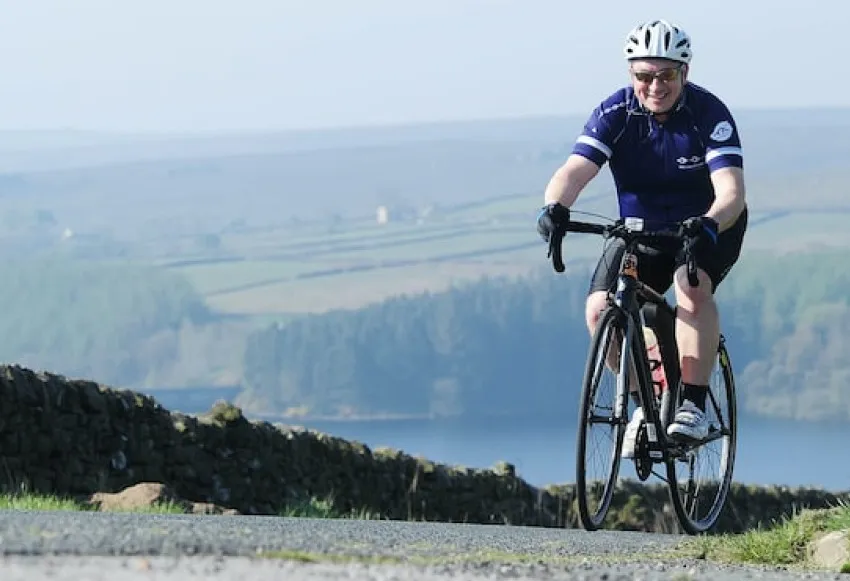
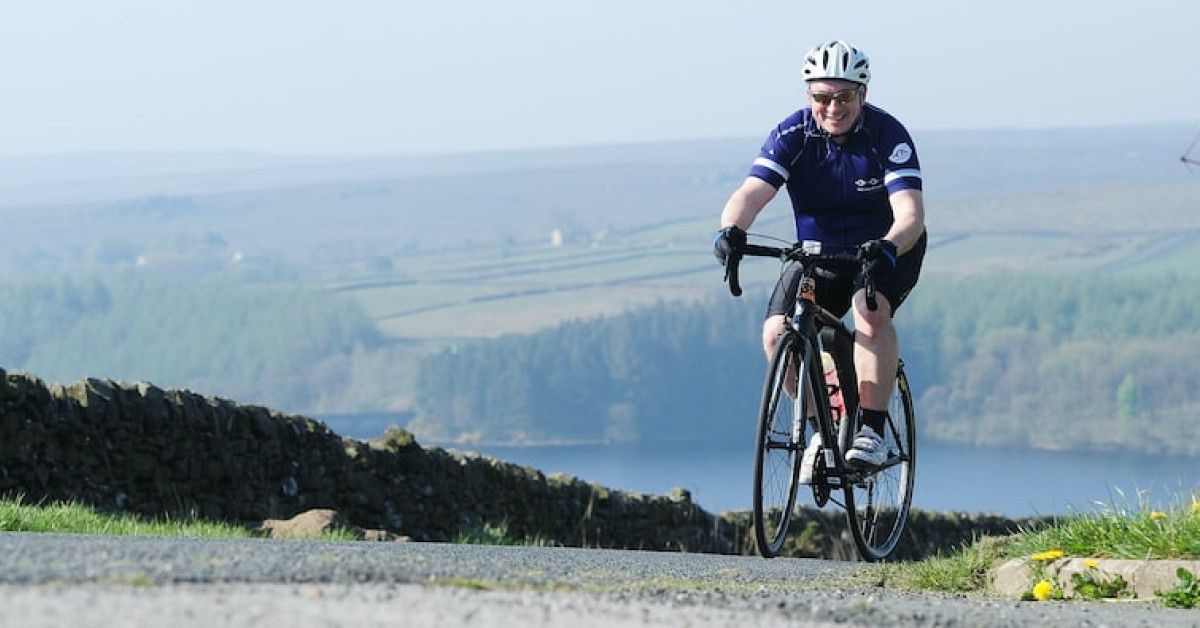
Cycling is a popular and exhilarating sport that not only provides great physical exercise but also allows individuals to explore new landscapes and challenge themselves. Whether you are a professional cyclist or a recreational rider, maximizing your cycling performance is key to improving your overall experience on the bike. In this article, we will explore ten essential tips from Ciovita Cycling that can help you enhance your cycling performance and take your riding to the next level.
1. Invest in Quality Cycling Gear
One of the fundamental aspects of maximizing your cycling performance is investing in high-quality cycling gear. When it comes to cycling, every piece of equipment plays a significant role in your performance. Start with a well-fitted and comfortable cycling jersey and bib shorts, as they directly impact your comfort during long rides. Look for breathable and moisture-wicking fabrics to keep you cool and dry, especially in hot weather conditions. Additionally, invest in a good pair of cycling shoes that provide efficient power transfer and support for your feet.
Cycling Gear: jersey, bib shorts, cycling shoes
2. Proper Bike Fit
Achieving an optimal bike fit is crucial for maximizing your cycling performance. A well-fitted bike ensures that you are using your energy efficiently and minimizes the risk of injuries. Consider getting a professional bike fit that takes into account your body measurements, flexibility, and riding style. A proper bike fit can improve your comfort, power output, and aerodynamics, ultimately leading to enhanced performance on the bike.
Bike Fit: energy efficiency, injury prevention, comfort, power output, aerodynamics
3. Train Regularly
Consistent training is key to improving your cycling performance. Develop a training plan that incorporates a mix of endurance rides, interval training, strength training, and rest days. Endurance rides help build your cardiovascular fitness and stamina, while interval training improves your speed and power. Incorporate strength training exercises to build overall body strength and enhance your pedaling efficiency. Remember to listen to your body and give it adequate rest to recover and prevent overtraining.
Training: endurance rides, interval training, strength training, rest days, cardiovascular fitness, stamina, speed, power, pedaling efficiency
4. Focus on Nutrition and Hydration
Proper nutrition and hydration are essential for optimal performance on the bike. Fueling your body with the right nutrients before, during, and after your rides can improve your endurance, recovery, and overall performance. Consume a balanced diet that includes carbohydrates for energy, protein for muscle repair, and healthy fats for sustained energy. During your rides, stay hydrated by drinking water or electrolyte-infused beverages to replenish lost fluids and electrolytes.
Nutrition and Hydration: carbohydrates, protein, healthy fats, endurance, recovery, performance, hydration, electrolytes
5. Warm Up and Cool Down
Warming up before your rides and cooling down afterward can have a significant impact on your cycling performance. Warm-up exercises prepare your muscles and cardiovascular system for the demands of cycling, reducing the risk of injuries and improving your performance. Include dynamic stretches, light pedaling, and short bursts of high-intensity efforts in your warm-up routine. Cooling down with some light pedaling and static stretches helps flush out lactic acid and aids in muscle recovery.
Warm Up and Cool Down: injury prevention, performance improvement, dynamic stretches, high-intensity efforts, lactic acid removal, muscle recovery
6. Use Proper Cycling Techniques
Mastering proper cycling techniques can greatly enhance your cycling performance. Focus on maintaining a smooth and efficient pedal stroke, engaging your core muscles, and keeping a relaxed upper body posture. Use a high cadence (number of pedal revolutions per minute) to put less strain on your muscles and improve your pedaling efficiency. Practice climbing techniques, descending skills, and cornering techniques to become a more versatile and confident cyclist.
Cycling Techniques: pedal stroke, core engagement, upper body posture, cadence, muscle strain, pedaling efficiency, climbing, descending, cornering
7. Set Realistic Goals
Setting realistic cycling goals is essential for continuous improvement and motivation. Whether it's completing a long-distance ride, achieving a personal best time, or conquering a challenging climb, having goals gives you something to work towards. Break down your goals into smaller, more manageable milestones and track your progress along the way. Celebrate your achievements and use setbacks as opportunities to learn and grow.
Goals: continuous improvement, motivation, long-distance ride, personal best time, challenging climb, milestones, progress tracking, achievements, setbacks
8. Join a Cycling Club or Group
Joining a cycling club or group can provide you with a supportive and motivating community of fellow cyclists. Riding with others can push you to challenge yourself, learn from experienced riders, and discover new routes and trails. Cycling clubs often organize group rides, training sessions, and social events, allowing you to connect with like-minded individuals who share a passion for cycling.
Cycling Club or Group: support, motivation, challenges, learning, routes, trails, group rides, training sessions, social events
9. Monitor and Analyze Your Performance
Monitoring and analyzing your performance can help you identify areas for improvement and track your progress over time. Use cycling apps or devices that provide data such as distance, speed, cadence, heart rate, and power output. Analyze your ride data to identify patterns, strengths, and weaknesses. This information can guide your training and help you make informed decisions to optimize your cycling performance.
Performance Monitoring and Analysis: data tracking, distance, speed, cadence, heart rate, power output, patterns, strengths, weaknesses, training guidance, informed decisions
10. Take Care of Your Body and Mind
Lastly, taking care of your body and mind is crucial for long-term cycling performance. Get enough sleep to allow for proper recovery and muscle repair. Incorporate cross-training activities such as yoga or strength training to improve overall fitness and prevent muscle imbalances. Manage stress levels and prioritize mental well-being. Remember that cycling should be enjoyable, so listen to your body, take breaks when needed, and find balance in your training and lifestyle.
Body and Mind: sleep, recovery, muscle repair, cross-training, fitness, muscle imbalances, stress management, mental well-being, enjoyment, body signals, balance
Conclusion
By implementing these ten essential tips from Ciovita Cycling, you can maximize your cycling performance and unlock your full potential on the bike. Invest in quality cycling gear, ensure a proper bike fit, train regularly, focus on nutrition and hydration, warm up and cool down, use proper cycling techniques, set realistic goals, join a cycling club or group, monitor and analyze your performance, and take care of your body and mind. Remember, achieving your cycling goals takes time and dedication, but the rewards are well worth it. So, hop on your bike, embrace the open road, and enjoy the exhilarating experience of cycling at its best.