
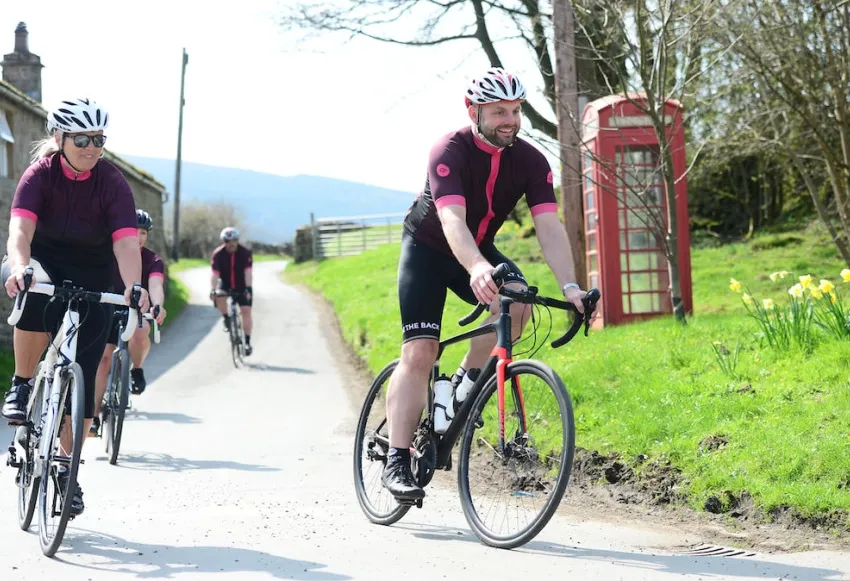
Cycling is a popular form of exercise and transportation for people of all ages. It offers numerous health benefits, including improved cardiovascular fitness, increased muscle strength, and decreased stress levels. However, there has been some debate about the impact of cycling on knee cartilage. In this article, we will examine the effects of cycling on knee cartilage and explore whether it is a good exercise option for individuals concerned about their joint health.
Understanding Knee Cartilage
Before delving into the effects of cycling on knee cartilage, it is important to have a basic understanding of what knee cartilage is and its role in joint health. Knee cartilage, also known as articular cartilage, is a smooth and slippery tissue that covers the ends of bones within the knee joint. It acts as a cushion and facilitates smooth movement of the joint by reducing friction and absorbing shock.
The knee is made up of three main compartments, each containing a different type of cartilage:
- Medial compartment: This is the inner part of the knee and contains the medial meniscus. It helps distribute force across the knee joint.
- Lateral compartment: This is the outer part of the knee and contains the lateral meniscus. It provides stability and absorbs shock.
- Patellofemoral compartment: This is the area behind the kneecap (patella) and where the patellar cartilage is located. It helps with tracking and stabilization of the patella.
The Impact of Cycling on Knee Cartilage
Cycling is a low-impact exercise that puts minimal stress on the knees compared to high-impact activities like running or jumping. This makes it an attractive option for individuals with knee problems or those looking to protect their knee joints. However, the repetitive motion of cycling can still have an impact on knee cartilage.
Benefits of Cycling for Knee Cartilage
-
Low impact: Cycling is a non-weight bearing activity, meaning it does not put excessive pressure on the knee joints. This can be beneficial for individuals with existing knee issues or those recovering from knee injuries.
-
Muscle strengthening: Regular cycling helps strengthen the muscles surrounding the knee joint, including the quadriceps, hamstrings, and calves. Stronger muscles provide better support and stability to the knee, reducing the risk of cartilage damage.
-
Weight management: Maintaining a healthy weight is essential for joint health. Cycling is an effective cardiovascular exercise that can assist in weight management, reducing the load on the knee joints and potentially slowing down the degenerative process of knee cartilage.
Potential Risks of Cycling for Knee Cartilage
While cycling offers several benefits for knee cartilage, there are potential risks associated with the sport. It is important to be aware of these risks and take necessary precautions to minimize any potential harm.
-
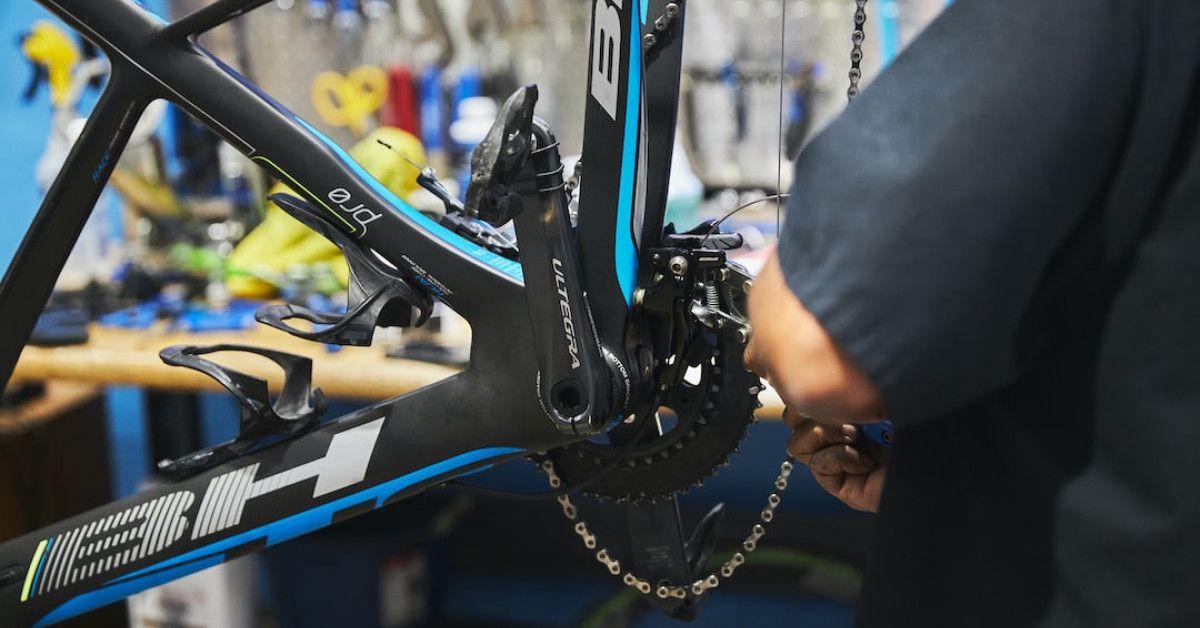
Incorrect bike setup: Riding a bike that is not properly fitted to your body can increase the risk of knee injuries. It is crucial to ensure that your bicycle is adjusted to your specific measurements to maintain proper alignment and reduce unnecessary strain on the knee joints.
-
Overuse injuries: Cyclists who train excessively or push themselves beyond their limits are at a higher risk of developing overuse injuries, including those affecting the knees. It is important to gradually increase cycling intensity and duration to allow the body to adapt and minimize the risk of overuse injuries.
-
Pre-existing knee conditions: Individuals with pre-existing knee conditions, such as osteoarthritis or ligament injuries, should consult their healthcare provider before starting a cycling routine. These conditions may require modifications to the cycling technique or additional protective measures.
Tips for Cycling Safely and Protecting Knee Cartilage
To minimize the risk of knee injuries and maximize the benefits of cycling for knee cartilage health, follow these tips:
-
Proper bike setup: Ensure that your bike is adjusted to your specific measurements. This includes setting the saddle height, handlebar position, and pedal alignment. A professional bike fitting may be beneficial, especially for individuals with existing knee issues.
-
Warm-up and cool-down: Before starting a cycling session, spend a few minutes warming up your muscles and joints with gentle exercises and stretches. Similarly, after your ride, spend some time cooling down and stretching to promote flexibility and recovery.
-
Progress gradually: If you are new to cycling or returning after a break, start slowly and gradually increase your cycling intensity and duration. This allows your body to adapt and reduces the risk of overuse injuries.
-
Listen to your body: Pay attention to any discomfort or pain in your knees while cycling. If you experience persistent pain or swelling, take a break and consult with a healthcare professional. Ignoring symptoms may lead to further damage and delay your recovery.
-
Cross-train: Incorporate other forms of exercise, such as swimming or strength training, into your routine to provide additional variety and balance. This can help strengthen different muscle groups and reduce the repetitive strain on the knee joints.
Conclusion
In conclusion, cycling can be a good exercise option for individuals concerned about their knee cartilage health. It offers numerous benefits, including low impact on the knees, muscle strengthening, and weight management. However, it is important to be mindful of potential risks associated with cycling, such as improper bike setup, overuse injuries, and pre-existing knee conditions.
By following proper techniques, gradually increasing intensity, and listening to your body, you can enjoy the benefits of cycling while minimizing the risk of knee cartilage damage. Remember to consult with a healthcare professional if you have any underlying knee conditions or concerns. Happy cycling for a healthy knee joint!