

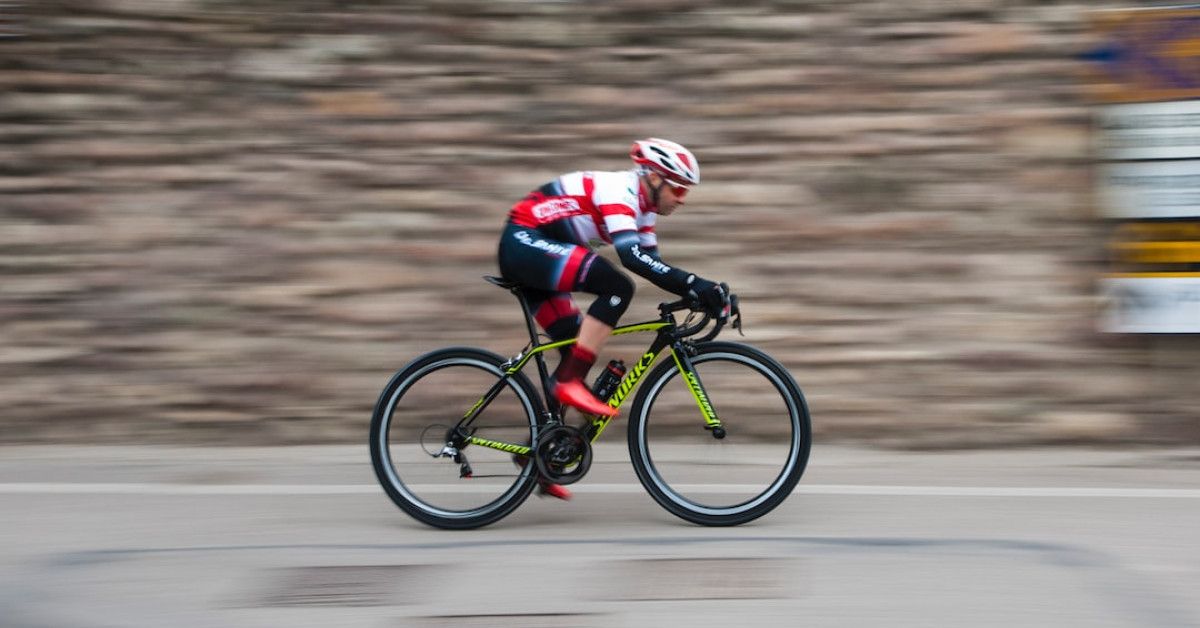
As an avid cyclist, you may be familiar with the concept of pain. It's an integral part of the sport, pushing you to your limits and helping you grow stronger. But what happens when that pain becomes a never-ending cycle, holding you back from reaching your full potential? In this article, we will dive deep into the concept of the pain cycle in cycling, exploring its causes, effects, and most importantly, strategies to break free from it.
Understanding the Pain Cycle
What is the Pain Cycle?
The pain cycle refers to the interconnected chain of events that lead to the perpetuation of pain in cycling. It is a complex phenomenon that involves physical, psychological, and environmental factors. When you experience pain while cycling, it triggers a series of reactions in your body, mind, and surroundings, ultimately resulting in a continuous loop of discomfort and hindered performance.
Causes of the Pain Cycle
Various factors contribute to the onset and persistence of the pain cycle. These include:
- Overtraining: Excessive training without adequate rest and recovery can lead to muscle fatigue, inflammation, and pain.
- Poor bike fit: A poorly fitted bike can place excessive stress on certain body parts, causing discomfort and pain.
- Muscular imbalances: Weakness or imbalances in specific muscle groups can lead to compensatory movements, resulting in pain and injury.
- Inadequate warm-up and cool-down: Skipping warm-up exercises and neglecting proper cool-down techniques can increase the risk of pain and injury.
- Improper technique: Incorrect cycling technique can place unnecessary strain on joints and muscles, leading to pain and discomfort.
Effects of the Pain Cycle
Physical Effects
The pain cycle can have both immediate and long-term physical effects on cyclists. These include:
- Decreased performance: Pain can affect your ability to perform at your best, leading to reduced speed, power, and endurance.
- Muscle imbalances: Persistent pain can lead to the development of compensatory movement patterns and muscle imbalances, increasing the risk of injury.
- Inflammation and swelling: Pain and repeated stress can cause inflammation and swelling in affected areas, further exacerbating pain and limiting performance.
- Development of trigger points: Prolonged pain can lead to the formation of trigger points, which are hyper-irritable knots within muscles that can refer pain to other areas of the body.
Psychological Effects
The pain experienced during cycling can also have a significant impact on your mental well-being. Some common psychological effects of the pain cycle include:
- Fear and anxiety: Chronic pain can create a sense of fear and anxiety about riding, leading to a decrease in confidence and enjoyment.
- Loss of motivation: The ongoing pain can erode your motivation to cycle, making it challenging to stay committed to your training regimen.
- Frustration and irritability: Constant pain can lead to feelings of frustration and irritability, affecting not only your cycling but also your personal relationships.
Breaking Free from the Pain Cycle
Now that we understand the causes and effects of the pain cycle, let's explore some strategies to break free from it and enhance your cycling experience.
1. Proper Bike Fit
Ensuring that your bike is properly fitted to your body is crucial in preventing pain and discomfort. Consider consulting a professional bike fitter who can assess your position on the bike and make necessary adjustments to optimize your biomechanics. Key areas to focus on include:
- Saddle height: Adjusting the saddle height can help prevent knee and lower back pain.
- Saddle fore-aft position: Proper positioning of the saddle relative to the bottom bracket can improve efficiency and reduce strain on the knees.
- Handlebar reach and height: Adjusting the handlebar reach and height can alleviate stress on the upper body and reduce pressure on the hands and wrists.
2. Strength and Flexibility Training
Incorporating regular strength and flexibility training into your cycling routine can help address muscular imbalances and enhance your physical performance. Here are some key exercises to consider:
- Core strengthening exercises: Strengthening your core muscles (e.g., abdominals, obliques, lower back) can improve stability on the bike and reduce strain on other muscle groups.
- Lower body exercises: Targeting key muscle groups such as quadriceps, hamstrings, glutes, and calves can help improve power and reduce the risk of injury.
- Stretching routine: Incorporating dynamic stretches before your rides and static stretches after can help improve flexibility and reduce muscle tightness.
3. Proper Warm-up and Cool-down
Never underestimate the importance of a proper warm-up and cool-down routine. Spending a few minutes engaging in dynamic movements and gentle stretches before your ride can prepare your muscles and joints for the demands of cycling. Similarly, allowing time for a cool-down with light pedaling and stretching after your ride can help reduce post-exercise muscle soreness and promote recovery.
4. Technique Improvement
Cycling technique plays a crucial role in preventing pain and optimizing performance. Consider working with a cycling coach who can help you assess and improve your technique. Key areas to focus on include:
- Pedaling efficiency: Smooth and efficient pedaling technique can reduce strain on your knees and improve power transfer.
- Body positioning: Maintaining proper body alignment, including a neutral spine and relaxed upper body, can reduce the risk of pain and discomfort.
- Braking and descending: Learning proper braking and descending techniques can enhance your safety and minimize the strain on your hands, wrists, and forearms.
5. Rest and Recovery
Rest and recovery are vital components of any training program. It's essential to allow your body time to adapt and repair itself from the physical demands of cycling. Incorporate rest days into your weekly schedule and prioritize quality sleep to optimize recovery. Additionally, consider incorporating activities such as foam rolling, massage, and active recovery exercises to aid in muscle recovery and reduce pain.
6. Mental Strategies
Addressing the psychological aspect of the pain cycle is equally important to break free from it. Here are some strategies to consider:
- Positive self-talk: Replace negative thoughts with positive affirmations to build confidence and reduce anxiety.
- Visualization: Visualize yourself riding smoothly and pain-free to enhance motivation and focus.
- Cognitive behavioral therapy: If pain-related fears and anxiety persist, seeking the help of a qualified therapist can provide strategies to manage and overcome these mental barriers.
Conclusion
Cycling is a beautiful sport that allows us to explore new places, challenge ourselves, and experience the joy of movement. However, the pain cycle can hinder our progress and dampen our enjoyment. By understanding the causes and effects of the pain cycle and implementing the strategies mentioned in this article, you can break free from the cycle of pain and elevate your cycling experience. Remember, be patient with the process, listen to your body, and seek professional guidance when needed. Happy riding!